 By Adam Macek
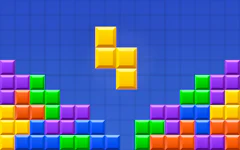
 The first version of Tetris was created by Alexey Pajitnov (Алексей Пажитнов), a Soviet software engineer.
He developed the game in June 1984 while working for the Soviet Academy of Sciences at the Dorodnitsyn Computing Centre in Moscow.
The Story Behind the Creation
The inspiration: Pajitnov was inspired by a traditional pentomino puzzle game he enjoyed as a child, where different geometric shapes made of five squares had to be fitted into a box.
The modification: Realizing that pentominos were a bit too complex for the computers of the era, he simplified the shapes into tetrominos (shapes made of four squares). To keep the game from filling up too fast, he introduced the revolutionary mechanic of making completed rows disappear.
The original hardware: Because he didn't have a modern graphics screen, the very first version was programmed on an Electronika 60 (a Soviet terminal computer). The graphics were entirely text-based—the iconic falling blocks were made out of brackets [ ] typed next to each other.
Key collaborators
While Pajitnov created the game's concept and code, two other people played massive roles in making it a global phenomenon:
Vadim Gerasimov: A 16-year-old high school student working at the academy who ported the game to the IBM PC, introducing color and a proper scoring system.
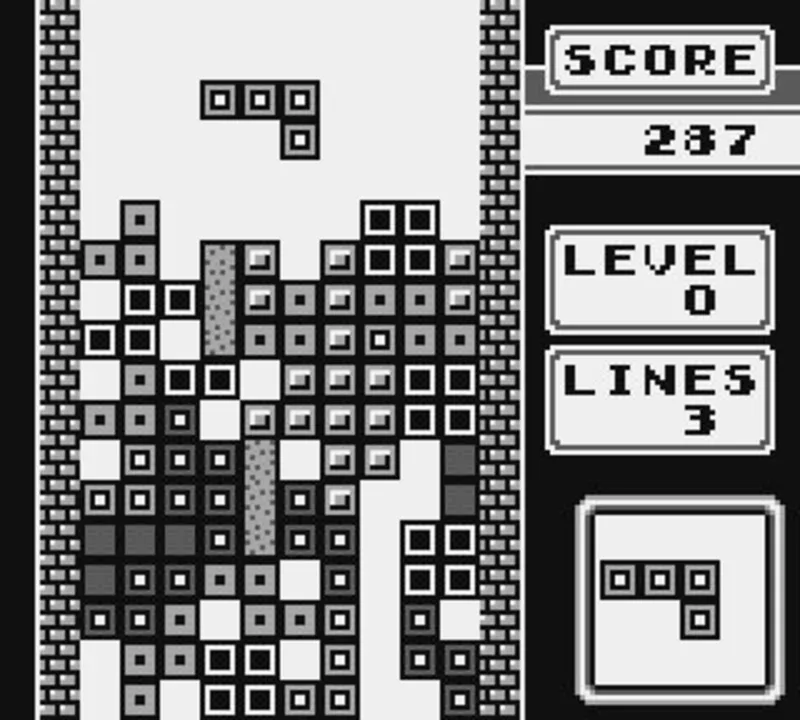
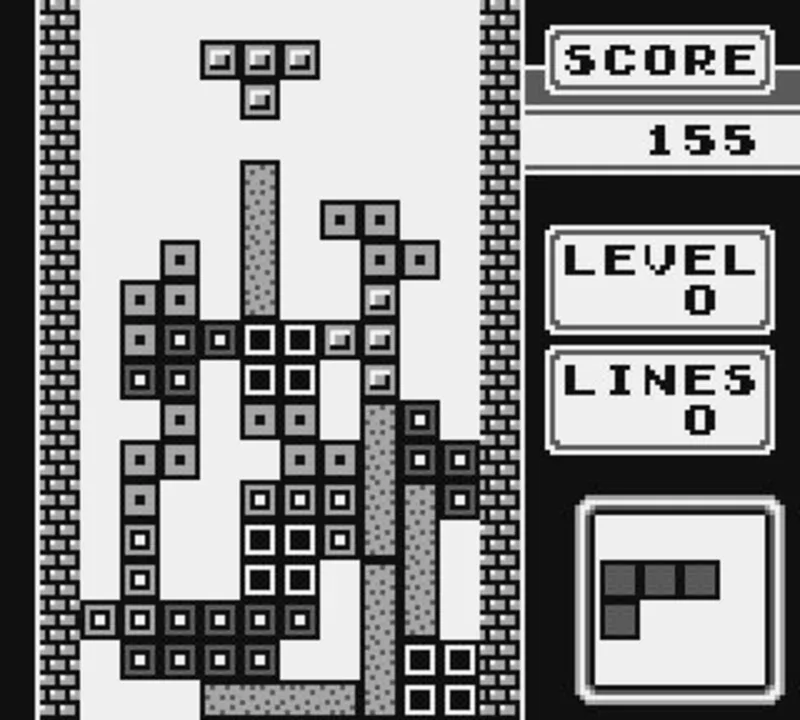
Henk Rogers: The game designer and businessman who later discovered Tetris at a trade show and secured the handheld rights for Nintendo, ensuring it was bundled with the original Game Boy in 1989.