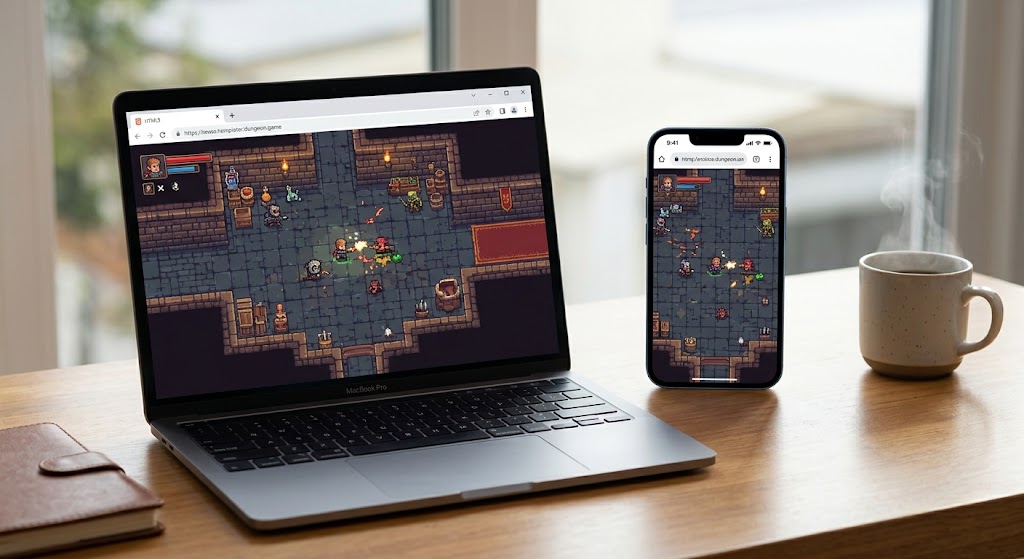
Why retro pixel art is making a massive comeback in modern web games
 By Adam Macek
5 min read
By Adam Macek
5 min read
For decades, the video game industry was locked in a relentless arms race, obsessed with pushing computing hardware to its absolute breaking point. Developers chased the holy grail of ultra-realistic 4K textures, ray-traced lighting, and hyper-detailed 3D character models. Yet, if you look at the landscape of modern browser-based HTML5 portals today, you will notice a fascinating, undeniable counter-trend. Instead of chasing photorealism, players and developers are embracing the past. Pixel art is everywhere, and it is more popular than it ever was in the 1980s.

Why are modern audiences willingly trading lifelike graphics for chunky, low-res sprites? This is not just a passing hipster fad. The resurgence of pixel games is a permanent cultural shift driven by psychological engagement, the undeniable technical superiority of lightweight files in web browsers, and a renewed focus on pure, unadulterated gameplay.
The Minecraft boom: Redefining what "good graphics" mean
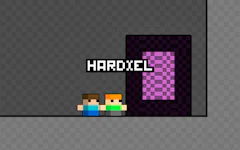
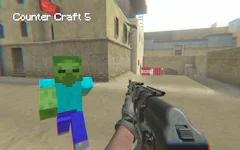
To understand the modern explosion of retro aesthetics, we have to look back at the cultural earthquake that was Minecraft. Before this phenomenon, the gaming industry largely believed that better graphics equaled a better game. Then, a title made of low-resolution blocks, featuring pixelated textures and incredibly simple character models, took over the world.
The boom proved something revolutionary: graphics do not dictate fun. It taught an entire generation of gamers—many of whom were born long after the Super Nintendo era—that abstract, blocky, and pixelated visual styles offer a unique kind of charm. This massive paradigm shift completely validated the pixel aesthetic for modern audiences. Suddenly, indie developers realized they did not need a fifty-person 3D animation team to create a global hit.
The .IO game phenomenon and multiplayer efficiency
One of the biggest drivers of pixel art in modern web browsers is the explosion of the .io games category. Titles like Agar.io, Slither.io, and their countless successors rely on putting dozens, sometimes hundreds, of players into a single server simultaneously.
If these games attempted to use complex 3D rendering, browser tabs would crash, servers would catch fire, and the lag would make the games unplayable. By utilizing incredibly simple 2D pixel sprites, developers can focus server processing power entirely on real-time multiplayer routing and collision detection. Pixel art allows massive, chaotic multiplayer environments to run flawlessly on a standard web page.
Legendary pixel games that shaped the modern era
The success of blocky aesthetics paved the way for an incredible renaissance of indie masterpieces. While the web browser is experiencing its own golden age, these titles draw heavy inspiration from massive standalone hits that proved the timeless viability of the genre:
- Stardew Valley: A game that single-handedly revived the farming simulator genre, proving that pixel art can convey deep emotion, intricate world-building, and cozy atmospheres.
- Terraria: Often described as a 2D block-builder, this game pushed pixel art into massive, procedurally generated worlds focused on deep exploration and combat.
- Vampire Survivors: A recent phenomenon that uses incredibly simple, almost crude retro sprites to deliver one of the most addictive, dopamine-fueled gameplay loops in modern gaming history.
- Celeste: A brilliant platformer that proved low-resolution character models could still tell a profound, award-winning narrative while delivering razor-sharp mechanics.
The psychology of chunkiness: Theatre of the mind
There is also a deeply psychological reason why we love retro graphics. Pixel art acts much like a good book, whereas ultra-realistic 3D graphics are more like a Hollywood movie. When a game spells out every single detail, there is nothing left for the imagination.
However, when you look at a character made of just a few dozen cleverly placed pixels, your brain automatically works to fill in the missing information. This active participation, often referred to as the "theatre of the mind," creates a highly personal and powerful emotional connection to the game world.
The Indie developer revolution
Ultimately, pixel art has democratized game development. In the past, creating a video game required a massive studio budget. Today, powerful HTML5 canvas engines and streamlined coding languages allow a single passionate developer to build, route, and launch a fully functional game from their bedroom.
By choosing this timeless aesthetic, modern developers are creating web games that will look just as vibrant and engaging ten years from now as they do today. Stripping away the crutch of heavy graphics forces developers to focus entirely on what truly matters: a brilliant gameplay loop, highly responsive controls, and mechanics that keep players returning for just one more round.
FAQ
Q: What exactly are pixel games, and why are they so popular on web portals?
A: Pixel games are video games where the visual graphics are created using pixel art, a form of digital art where individual pixels are placed to create images. They are incredibly popular on web portals because the lightweight files allow for instantaneous loading times, ensuring perfectly smooth performance directly within the browser.
Q: Did the block-building boom influence the current trend of retro graphics?
A: Yes, absolutely. The massive, unprecedented success of early indie sandbox games proved to the gaming industry that cutting-edge, realistic graphics are not a strict requirement for a game to be fun, engaging, and globally successful.
Q: Do I need a powerful computer or a dedicated graphics card to play these games?
A: Not at all. Because these games are heavily optimized for HTML5 and utilize extremely lightweight visual assets, they run incredibly smoothly on virtually any modern device, from older desktop laptops to standard mobile phones.
Q: How do pixel graphics improve a game portal's website performance?
A: Because pixel art drastically reduces the total file size of a game, the web page loads much faster. This improves the site's Core Web Vitals, keeps players from leaving the page prematurely, and can significantly boost the portal's search engine ranking.